
 Sign In
- Home
- Share Prices
- AQSE Share Prices
- Euronext
- US Share Prices
- Stock Tips
- Share Chat
- FX
- News & RNS
- Media
- Trading Brokers
- Finance Tools
- Members
Latest Share Chat
One in six UK young people risk falling outside job market or education, report warns

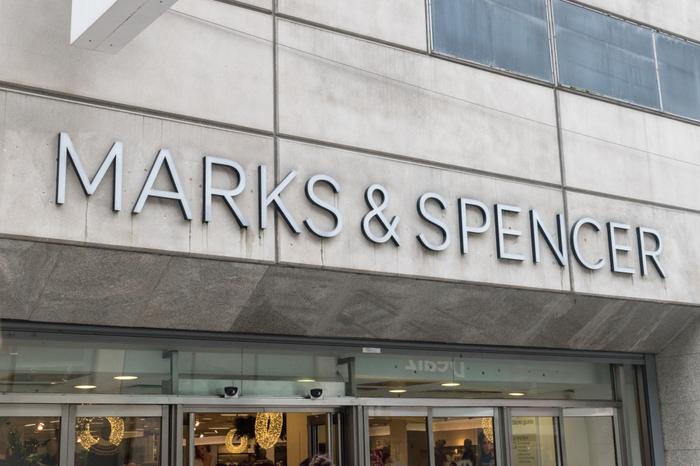
LONDON, May 27 (Reuters) - The proportion of young people in Britain who are not in employment, education or training (NEETs) risks rising to one in six within five years from one in eight currently, according to a new government-commissioned report.
In recent decades Britain has had fairly low youth unemployment by European standards. But since the COVID-19 pandemic, the proportion of 16-24 year-olds outside the job market or education has risen and is now near a 10-year high at close to 1 million, or 13% of the age group.
"Detachment is no longer temporary. For too many young people it is becoming permanent. We are at risk of a lost generation," former health minister Alan Milburn said in remarks ahead of the report's publication on Thursday.
Milburn is due to set out detailed policy changes to address the problem later this year.
But his report blamed the welfare system for "exacerbating inactivity" and highlighted a sharp drop in the number of low- and medium-skilled entry-level jobs, despite buoyancy in the broader labour market for much of the past decade.
Work and pensions minister Pat McFadden welcomed the report and said it showed "the scale of the challenge and the root causes of youth unemployment we now need to confront."
Milburn's report said that while 84% of NEETs wanted a job or training, only £1 was spent on employment support for every £25 in welfare payments for that age group.
"The first rung of the career ladder has thinned," Milburn said. "Employers ask for work experience but the opportunities for young people to gain it have narrowed or gone."
In recent years, British governments have sought to expand apprenticeships, which play a much smaller role than in countries such as Germany or the Netherlands and vary widely in the quality of training and career prospects they offer.
Responding to the report, the chief executive of retailer Marks & Spencer, Stuart Machin, said the findings were "shocking but not surprising" and matched the concerns of his staff and customers.
Many employers blame higher employment costs including a minimum wage which has risen sharply as successive governments sought to lift it to two thirds of median earnings, with the biggest rises for younger workers.
But research from the Institute for Fiscal Studies published last week did not find conclusive evidence that this had reduced employment meaningfully.
The summary of Milburn's report did not directly address the role of higher employment costs or increasing rates of mental ill health reported by younger people. (Reporting by David Milliken; editing by William Schomberg)
Economic News Government & Politics Marks & Spencer
 Shares in this article
Latest News
- EARNINGS AND TRADING: Tekcapital swings to loss; Abingdon US update
3 hours ago - GLOBAL MARKETS-Stocks eke out record closing highs, oil slides as markets eye US-Iran peace progress
3 hours ago - IN BRIEF: ValiRx subsidiary Cytolytix granted "core" European patent
4 hours ago - Oil settles 5% lower as investors await updates on U.S.-Iran peace deal talks
4 hours ago - GLOBAL MARKETS-Stocks hold near record highs, oil falls as markets weigh US-Iran peace progress
4 hours ago - EARNINGS AND TRADING: GenIP revenue jumps to USD520,000 in 2025
4 hours ago
Related News


LONDON MARKET CLOSE: FTSE 100 edges up, oil sinks amid peace optimism
(Alliance News) - The FTSE 100 nudged higher on Wednesday and the oil price fell amid fresh hopes for progress in talks between the US and Iran.
 BP
BP
WINNERS & LOSERS: Travel stocks rise; Hollywood Bowl ups payouts
(Alliance News) - The following are the leading risers and fallers among FTSE 100 and 250 index constituents on Wednesday.
 JD Sports
LONDON MARKET OPEN: FTSE 100 falls as energy bill cap lifted 13%
(Alliance News) - Stock prices in London opened mixed on Wednesday, as utilities stocks fell after it was announced the price cap for household energy...
 Tesco
Tesco Follow the stocks


